(F/ + > 2: aber ( < (1/ (2/ < in, & →, >: ∗ in > 4/ <, 3 (/ la, > > 1 w/ es/ but > 7/ in <, no', < at > 4/ +?
“Enhance your security while keeping intruders guessing with fake security cameras, a growing trend in home and business protection. This comprehensive guide explores the art of deception through fake camera dome design ideas, from basic to advanced realism. We delve into the reasons behind their popularity, offering insights on understanding fake security camera needs and diverse dome design options. Discover innovative techniques for simulated wiring to boost authenticity, strategic placement tips, and essential legal considerations. Elevate your security measures with these creative solutions.”
- Understanding Fake Security Camera Needs and Applications
- Dome Design Options: From Basic to Advanced Realism
- Simulated Wiring: Techniques for Enhanced Authenticity
- Placement and Integration Strategies for Effective Deception
- Legal and Ethical Considerations: Navigating Use and Awareness
Understanding Fake Security Camera Needs and Applications
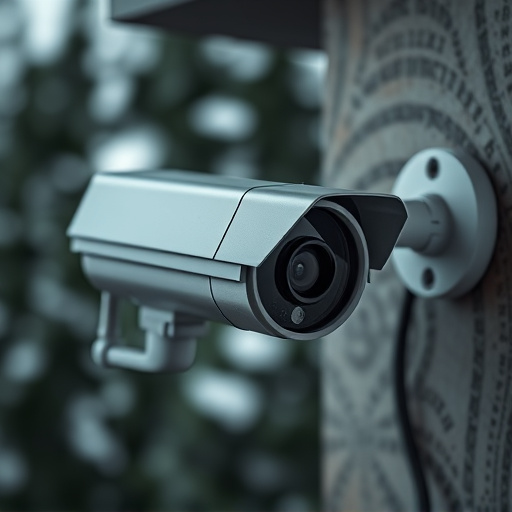
Understanding the needs and applications of fake security cameras is crucial for both property owners seeking to enhance their home security and businesses aiming to deter potential threats. Fake camera dome design ideas have evolved significantly, catering to diverse requirements. These simulated devices offer a cost-effective solution for those looking to create the appearance of a robust surveillance system without the expense of real hardware.
They are particularly useful in situations where discretion is key, such as in residential neighborhoods or office spaces wanting to deter criminal activity without alerting potential criminals about advanced security measures in place. With various designs and levels of realism available, fake cameras can be strategically placed to provide a sense of security while maintaining an unobtrusive aesthetic.
Dome Design Options: From Basic to Advanced Realism
When it comes to creating a convincing fake security camera setup, the dome design plays a crucial role in achieving realistic aesthetics. These domes vary in complexity, offering anything from basic, straightforward designs to advanced, highly realistic options. For a more simple and cost-effective solution, standard plastic or resin domes are available in various sizes and colors, providing a basic level of realism.
Moving towards the advanced end, customizable dome design ideas allow for a more intricate simulation. These options include detailed textures mimicking real camera lenses and housing materials, as well as the ability to incorporate LED lighting to mimic the glow of an actual camera. Some advanced models even offer interchangeable parts, enabling users to customize the dome to match specific camera brands or models, further enhancing the overall realism of the setup.
Simulated Wiring: Techniques for Enhanced Authenticity
The authenticity of a fake security camera can be significantly boosted by incorporating simulated wiring, adding a layer of realism to the overall design. This technique involves meticulously crafting artificial cables and connectors that mimic the appearance and arrangement of genuine electrical wiring. Crafting these details requires careful consideration of factors like material choices, color coordination, and the precise placement of components within the fake camera dome design ideas.
By using high-quality materials and paying close attention to the finer points, manufacturers can create a convincing illusion of functionality. The simulated wiring not only enhances the visual appeal but also serves as a crucial element in convincing viewers that they are dealing with a legitimate security system. This approach is particularly useful for testing or training scenarios where a fully functional camera might be inappropriate, yet the need for a realistic setting remains paramount.
Placement and Integration Strategies for Effective Deception
Placement and integration are key strategies when employing fake security camera dome design ideas for effective deception. These simulated cameras should be strategically positioned in areas that offer a realistic vantage point, mimicking the behavior of genuine surveillance equipment. For instance, placing them at intersections or corners can create the illusion of all-encompassing vision, deterring potential intruders. The integration process involves seamlessly blending these fake cameras into the existing environment; whether it’s mounting them on walls, ceilings, or even combining them with genuine-looking wiring, ensures a convincing representation.
By utilizing creative placement techniques and clever design elements, such as advanced LED technology for realistic movement and lighting effects, you can enhance the overall deception. Additionally, considering the camera’s field of view and angle adjustments allows for a more targeted simulation, providing a false sense of security to potential criminals while offering genuine homeowners or business owners a cost-effective way to deter theft, vandalism, or other criminal activities.
Legal and Ethical Considerations: Navigating Use and Awareness
The use of fake security cameras, often in the form of dome design ideas, raises important legal and ethical considerations that cannot be overlooked. While they can serve as a deterrent to potential criminals, deploying such devices must adhere to privacy laws and regulations. Many countries have strict guidelines regarding surveillance, especially in public spaces, which means using fake cameras must comply with these rules to avoid legal repercussions.
Moreover, ethical implications arise when considering the impact on individuals’ sense of security and privacy. Fake camera dome design ideas should be employed responsibly, ensuring they do not create a false sense of security or invade personal spaces. Awareness is key; users must clearly communicate the presence of these devices to deter misunderstandings and maintain trust. Transparent practices can help foster a safe environment without compromising ethical boundaries.
+ in w/ng, ( > 18% (∗/