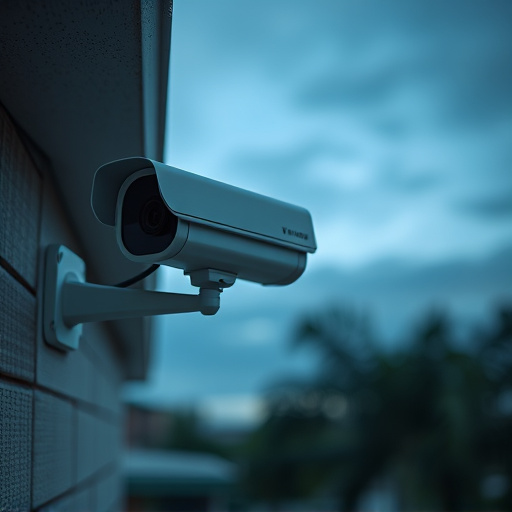
Fake camera dome design ideas serve as powerful visual deterrents, crafted to look real and simulate constant surveillance. Using high-quality materials, artisans replicate genuine camera textures and details. Strategic placement and camouflage make these domes nearly invisible yet effective in scaring off thieves and vandals by conveying 24/7 surveillance.
“Enhance security without compromising aesthetics with a fake camera dome design. This article explores innovative ways to deter potential threats through visual deterrents, offering practical tips on crafting realistic imitations using diverse materials and techniques. We delve into strategic placement and camouflage methods, helping you create an immersive simulation that seamlessly blends into the environment. Discover how these creative approaches can boost security measures without a trace of electronics.”
- Exploring Visual Deterrents: Design Strategies
- Crafting Realistic Imitations: Materials & Techniques
- Placement and Camouflage: Blending into the Environment
Exploring Visual Deterrents: Design Strategies
Exploring Visual Deterrents: Design Strategies
One effective approach to enhancing security through visual deterrents is by utilizing fake camera dome design ideas. These replicas, meticulously crafted to resemble real surveillance cameras, serve as powerful psychological tools. By strategically placing them in high-risk areas, potential criminals are sent a clear message: they are under constant watch. The sheer presence of these fake camera domes can significantly alter behavior and deter ill-intent actions.
The design strategies behind these visual deterrents focus on realism and strategic placement. From the material choices to the lighting effects, each element contributes to making the fake dome appear as convincing as possible. Additionally, their positioning should consider factors like angles of vision, visibility from surrounding areas, and the overall layout of the secured space. When implemented thoughtfully, these design strategies can create an environment that encourages respect for security measures and discourages malicious activities.
Crafting Realistic Imitations: Materials & Techniques
Crafting realistic imitations of security cameras, specifically the dome design, involves a blend of artistic skill and material expertise. This process allows for the creation of decoy cameras that can fool even the most vigilant observers into believing they are real. The key lies in selecting the right materials and employing techniques that replicate the intricate details of genuine camera housing.
For an authentic look, materials such as high-quality plastic or resin are ideal. These substances enable the replication of various textures, from the surface imperfections of metal to the subtle patterns found on modern camera exteriors. Skilled artisans use specialized tools and molding techniques to create precise replicas of real camera domes, down to the smallest screw or sensor openings. Painting and detailing add a final layer, with careful consideration given to color matching and adding reflective elements for added realism.
Placement and Camouflage: Blending into the Environment
Placement and camouflage are key strategies for enhancing the effectiveness of a security camera housing, especially when aiming to deter potential thieves or vandals. One effective approach is to utilize fake camera dome design ideas that seamlessly blend the housing into the environment. These innovative solutions mimic real cameras with realistic detail, from the lens to the dome shape, making it nearly impossible to distinguish from genuine security equipment. By strategically placing these fake cameras in plain sight, they serve as a powerful psychological deterrent, convincing would-be intruders that their actions are being watched.
Furthermore, the camouflage aspect takes this strategy a step further by incorporating materials and colors that match the surrounding environment—whether it’s the architecture of a building or the natural vegetation in an outdoor setting. This subtle integration ensures that the camera housing becomes one with its surroundings, reducing the risk of drawing attention while still providing critical surveillance capabilities.
Security camera housing, devoid of electronics, serves as an effective visual deterrent when strategically implemented. By exploring design strategies, crafting realistic imitations with various materials, and skillfully integrating them into the environment through clever placement and camouflage, individuals can enhance physical security while maintaining a subtle aesthetic. Incorporating Fake Camera Dome Design Ideas allows for a nuanced approach to protection, deterring potential threats without relying on electronic surveillance.